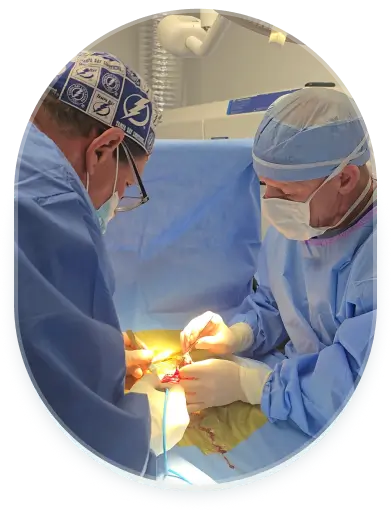
One of the most common concerns men have when considering male enhancement is whether it will affect sensitivity or sexual function. These concerns are completely valid, as both play a central role in confidence, intimacy, and overall quality of life.
Understanding how these procedures interact with the body—both physically and psychologically—can help set realistic expectations and reduce unnecessary anxiety.

Key Takeaways
- Modern male enhancement procedures are designed to preserve both sensitivity and function.
- Temporary changes in sensation may occur during the healing phase.
- Long-term outcomes are typically stable when procedures are performed correctly.
- Confidence and mental state can significantly influence perceived performance.
How Male Enhancement Is Designed to Preserve Function
Male enhancement procedures focus on improving structure—such as girth or visible length—without interfering with the underlying systems responsible for sensation and performance.
Careful technique ensures that critical nerve pathways and blood flow are preserved. Because of this, the goal is not only to enhance appearance, but to maintain the natural function of the body.
When performed by an experienced provider, these procedures are specifically designed to work with the body, not against it.
What Happens to Sensitivity During Recovery
During the healing phase, it is normal for patients to experience temporary changes in sensation. This is part of the body’s natural response to any procedure.
Some patients may notice:
- Mild numbness due to temporary nerve irritation
- Increased sensitivity as tissues adjust
- Occasional discomfort during early healing
These changes are typically short-term and improve as swelling decreases and the body stabilizes. In most cases, sensation gradually returns to normal over time.

Long-Term Sensitivity and Sexual Function
When the procedure is performed correctly, long-term sensitivity is generally preserved. Male enhancement does not target or remove nerves responsible for sensation, which is why lasting changes are uncommon.
Erectile function is also not negatively impacted by properly performed procedures. Blood flow and structural function remain intact, allowing normal performance.
In fact, many patients report improvements in their overall experience—not necessarily due to physical change alone, but because of increased comfort and confidence.
The Role of Confidence in Performance
It’s important to recognize that sexual performance is not purely physical. Psychological factors—such as confidence, anxiety, and self-image—play a major role.
For many men, concerns about size or appearance can create performance anxiety. When those concerns are reduced, it often leads to a more relaxed and positive experience overall.
In this sense, the mental shift can be just as impactful as the physical result.

Potential Concerns and How They Are Addressed
Temporary numbness:
This can occur when tissues are healing and adjusting after the procedure.
How it’s addressed:
Proper technique minimizes nerve disruption, and sensation typically returns as healing progresses.
Over-sensitivity during healing:
Some patients may experience heightened sensitivity in the early stages.
How it’s addressed:
This is usually temporary and stabilizes as the body adjusts. Gradual return to normal activity helps manage this phase.
Fear of long-term changes in performance:
This concern is often rooted in misunderstanding how the procedure works.
How it’s addressed:
Clear education during consultation helps patients understand that function is preserved when procedures are performed correctly.
What Partners Often Want to Know (And the Answers)
Will it feel different during intimacy?
Once healing is complete, the goal is for results to feel natural for both individuals. Any temporary changes during recovery typically resolve over time.
Will sensitivity be reduced?
Long-term loss of sensitivity is not expected when procedures are performed correctly. Temporary changes during healing are normal, but they are not permanent.
Will this affect our dynamic or connection?
In many cases, improved confidence leads to a more relaxed and positive dynamic. Open communication helps ensure both partners feel comfortable and aligned.

How Partners Can Support the Process
Support from a partner can play an important role in both recovery and long-term satisfaction.
This may include:
- Being patient during the healing period
- Avoiding pressure around performance early on
- Maintaining open and honest communication
- Supporting a gradual return to intimacy
Creating a low-pressure, supportive environment allows both individuals to adjust comfortably and confidently.
Final Thoughts
Male enhancement procedures are designed with both form and function in mind. While temporary changes during recovery are normal, long-term sensitivity and performance are typically preserved.
With the right provider, proper technique, and realistic expectations, patients can feel confident not only in their results, but in their overall experience.